For most of the past century, steel and concrete defined how we built tall, dense, and durable. But a quiet revolution is underway in contemporary design, and it is made of wood. Mass timber – engineered wood products like cross-laminated timber (CLT) and glulam – is changing what wood can do, allowing it to carry the loads once reserved for heavier materials. For a region like British Columbia, where forests and craftsmanship run deep, this shift feels less like a trend and more like a homecoming.
What Is Mass Timber?
Mass timber refers to large, structural wood components created by bonding smaller pieces of lumber together. Cross-laminated timber, for example, layers boards in alternating directions and presses them into solid panels strong enough to form floors, walls, and roofs. Glue-laminated beams (glulam) span long distances without the bulk of steel. The result is a material that is renewable, surprisingly fire-resistant, and capable of supporting multi-storey buildings.
Why Designers Are Embracing It
The appeal is both practical and emotional. Mass timber panels are prefabricated off-site and assembled quickly, reducing construction time, waste, and on-site labour. Because wood is significantly lighter than concrete, foundations can be smaller and projects can rise faster.
Then there is sustainability. Wood stores carbon rather than emitting it, and responsibly harvested timber offers one of the lowest carbon footprints of any structural material. As the building industry confronts its environmental impact, mass timber has become a compelling answer.
But perhaps the most powerful argument is experiential. Exposed timber ceilings and walls bring warmth, texture, and a sense of calm that painted drywall simply cannot replicate. Spaces feel grounded, natural, and quietly luxurious – qualities that resonate strongly in both residential and commercial design.
Mass Timber In The Home
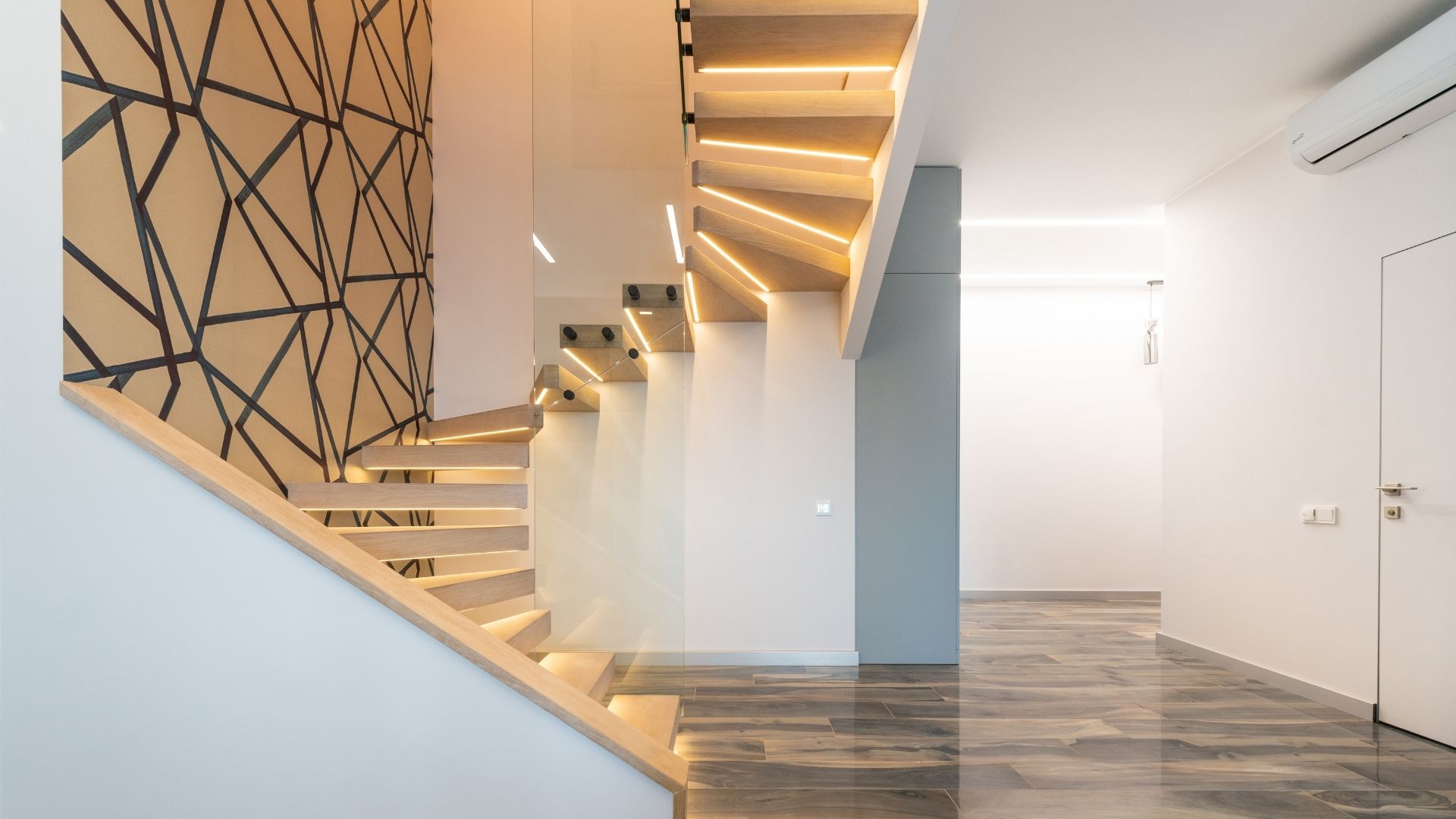
While mass timber often makes headlines for towering office buildings, its potential in residential design is just as exciting. Exposed CLT ceilings can become a home’s defining feature, while timber structures allow for open, column-free living spaces filled with natural light. The material pairs beautifully with stone, glass, and metal, offering a contemporary aesthetic rooted in nature.
For homeowners drawn to biophilic, wellness-focused interiors, mass timber delivers on every level: it is tactile, sustainable, and deeply connected to the landscapes many of us call home.
A Material With A Future
As building codes evolve to accommodate taller timber structures, expect to see mass timber move from niche to mainstream. It represents a rare alignment of beauty, performance, and responsibility – a way of building that honours both innovation and tradition.
At LVA Concepts, we believe great design begins with thoughtful material choices. Mass timber offers an opportunity to create homes and spaces that are not only striking and modern, but also warm, sustainable, and built to last for generations.