In contemporary architecture and interior design, much attention is given to open layouts, materials, and technology. Yet one of the most overlooked – and powerful – design opportunities lies in the threshold: the transition between spaces. Entryways, corridors, and transitional zones are no longer just functional connectors. They are becoming intentional design moments that define how a space is experienced from the very first step.
This approach, known as threshold design, is redefining how contemporary interiors feel, flow, and communicate.
What Is Threshold Design?
A threshold is any point of transition: from exterior to interior, public to private, or one room to another. Traditionally, these areas were treated as secondary spaces, simple hallways or doorways. But in contemporary design, thresholds are being elevated into experiential moments that set tone, guide movement, and build anticipation.
Instead of abrupt transitions, designers are creating layered spatial journeys that feel intentional and immersive.
The Power Of First Impressions
The entry sequence of a home or building has a psychological impact. It frames the way occupants and guests perceive the entire space. A well-designed threshold can:
– Create a sense of arrival and transition
– Establish mood through light, material, and proportion
– Provide a moment of pause before entering the main space
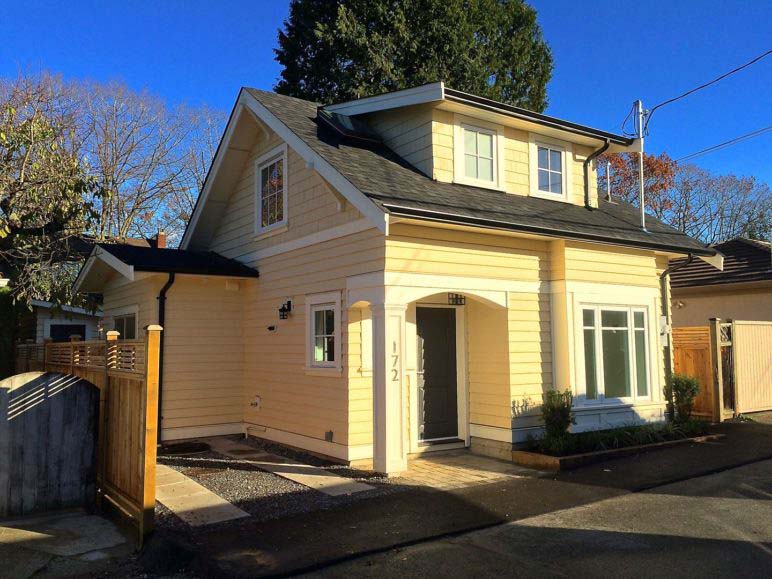
Rather than opening directly into a living area, contemporary homes often use buffer zones – vestibules, recessed entries, or framed views – to create a more curated experience.
Material Transitions As Design Language
One of the most effective tools in threshold design is material change. Subtle shifts in flooring, wall texture, or ceiling height signal a transition without the need for walls or doors.
For example:
– Moving from exterior stone into interior wood flooring creates a warm contrast
– A polished concrete hallway leading into a soft-textured living space emphasizes comfort
– A change in ceiling height can create compression and release, making the next space feel larger and more dramatic
These transitions act as a visual and tactile language, guiding how people experience space intuitively.
Light As A Transitional Tool
Lighting plays a critical role in defining thresholds. Designers are using light to create contrast between spaces, darker entry zones opening into bright living areas, or softly lit corridors leading into focal rooms.
Techniques include:
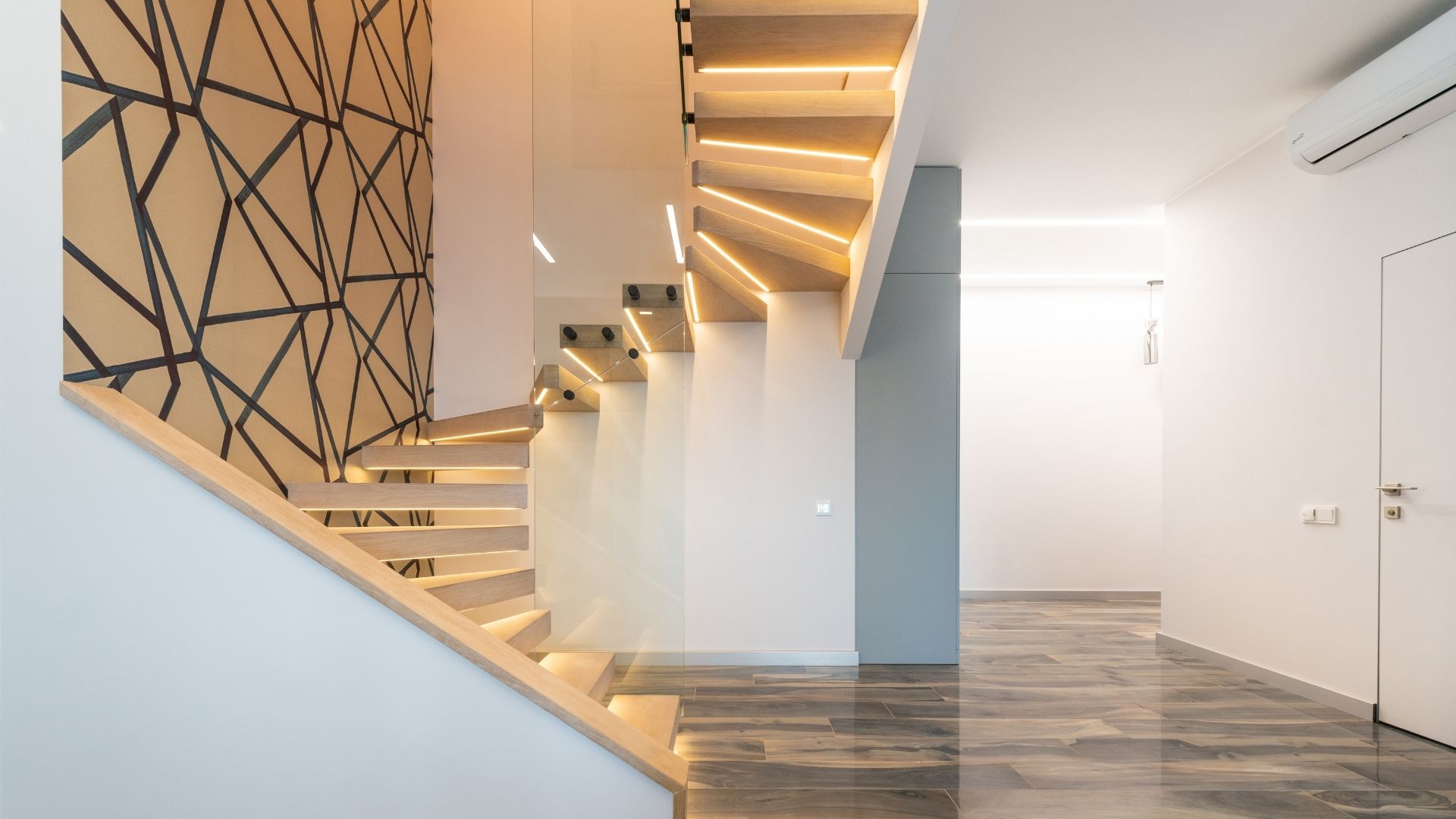
– Recessed lighting that guides movement along a path
– Backlit panels or walls that create depth at transition points
– Skylights positioned at key moments to draw the eye forward
Light doesn’t just illuminate, it directs and choreographs movement.
Framing Views And Movement
Contemporary architecture often uses thresholds to frame what comes next. Instead of revealing everything at once, spaces are revealed gradually.
This might include:
– A hallway that aligns with a window view or feature wall
– A doorway that frames a piece of art or outdoor landscape
– Partial walls or screens that provide glimpses rather than full exposure
This technique creates a sense of curiosity and discovery – turning movement through a space into an experience.
Blurring Boundaries Without Losing Definition
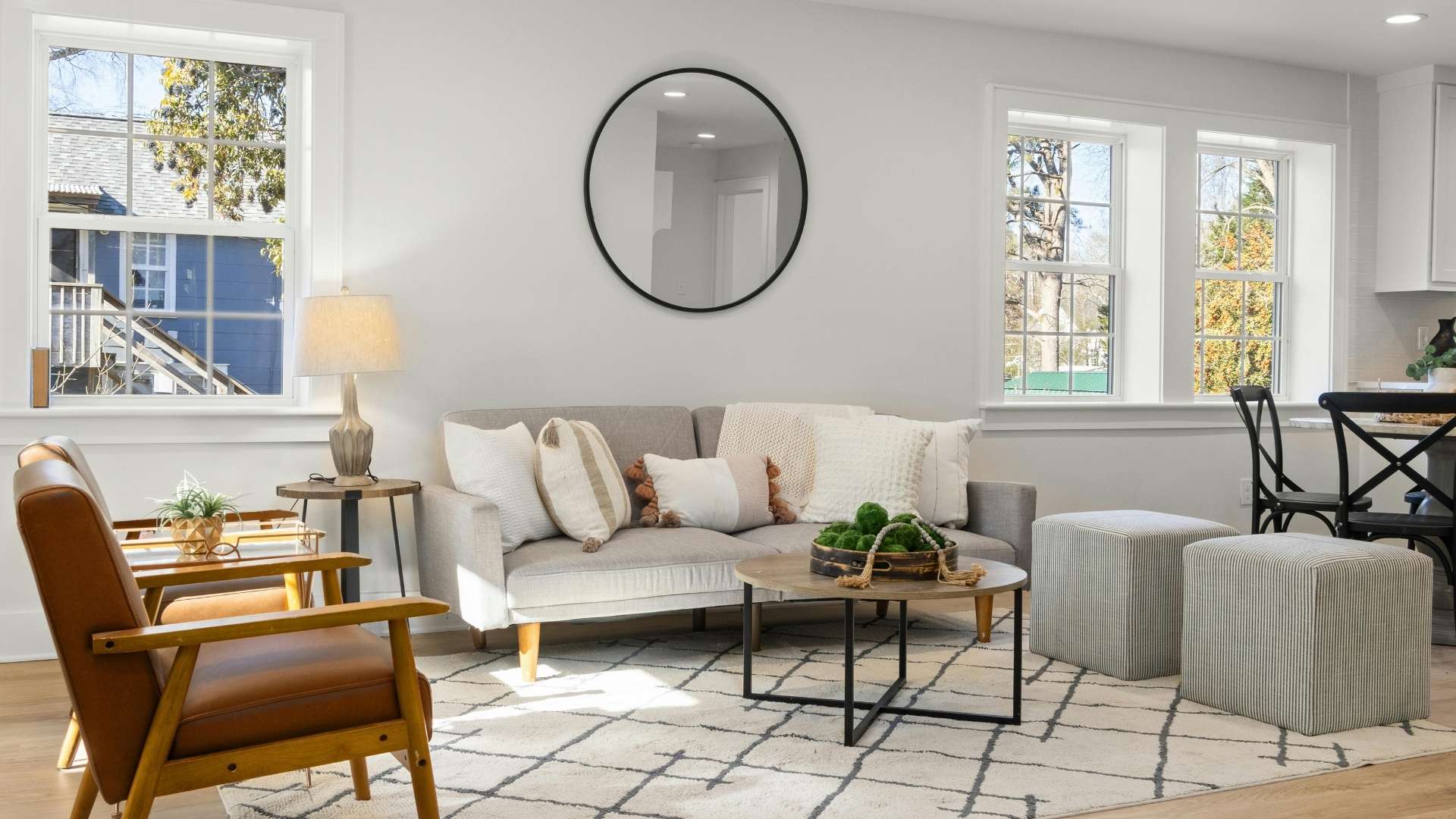
While modern design often embraces open plans, threshold design ensures that spaces still feel defined without needing walls. Through materials, lighting, and subtle level changes, designers can create clear transitions within open environments.
This is especially valuable in contemporary homes where multiple functions coexist in one continuous space.
Putting It All Together
Threshold design is a quiet but powerful shift in contemporary architecture and interior design. By focusing on how spaces connect, not just how they look, designers can create interiors that feel more intentional, immersive, and emotionally engaging.
In the end, great design isn’t just about the destination. It’s about the journey between spaces, and how each step shapes the experience of being there.