Contemporary architecture is often defined by clean lines, open spaces, and visual simplicity. But achieving that effortless, uncluttered look requires more than just minimal furniture – it demands intelligent, integrated storage design. One of the most compelling shifts in modern interior design is the move toward invisible design: spaces where storage is seamlessly concealed within the architecture itself.
This approach goes beyond aesthetics. It transforms how we live by reducing visual noise, improving functionality, and creating interiors that feel calm, intentional, and refined.
The Philosophy Behind Invisible Design
At its core, invisible design is about eliminating visual clutter without sacrificing functionality. Contemporary interiors prioritize simplicity, but modern lifestyles still require storage, for technology, clothing, kitchenware, and everyday essentials.
Instead of adding more furniture, designers are embedding storage directly into walls, floors, and architectural elements. The result is a space that appears minimal on the surface but is highly functional beneath it.
Built-In Storage As Architecture
One of the defining characteristics of this approach is the use of built-in storage systems that become part of the architecture rather than separate pieces.
Examples include:
• Full-height cabinetry that blends seamlessly with wall finishes
• Hidden doors that lead to storage rooms or utility spaces
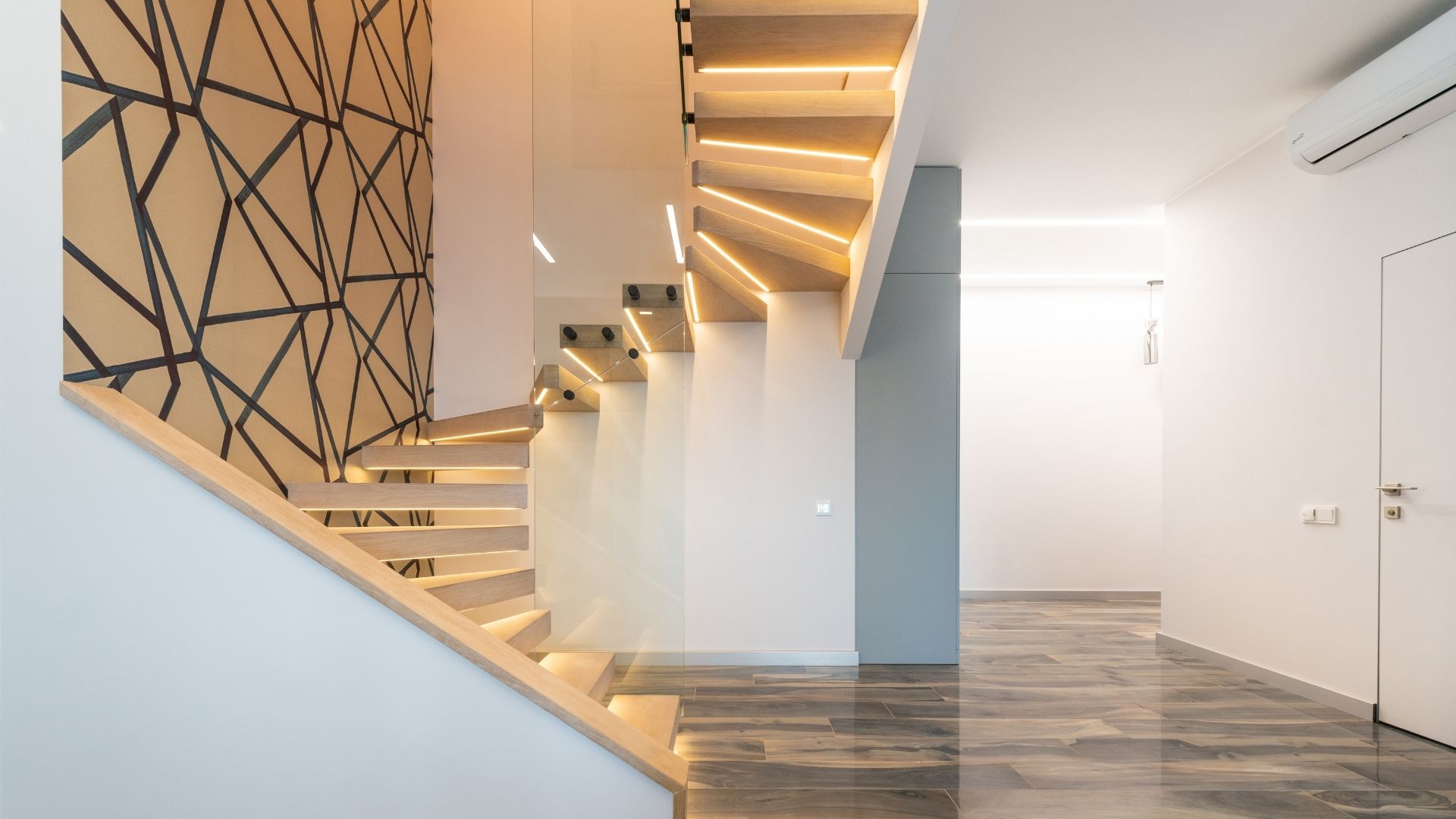
• Staircases with integrated drawers or shelving
• Window seating with concealed compartments
These elements allow interiors to maintain a clean, uninterrupted visual flow, something highly valued in contemporary design.
Handleless Design And Flush Surfaces
A key detail in invisible design is the elimination of visible hardware. Handleless cabinetry, push-to-open systems, and recessed grips allow surfaces to remain smooth and continuous.
This creates:
• A more refined, high-end aesthetic
• Easier visual continuity across walls and cabinetry
• A stronger architectural presence within the interior
When combined with consistent materials – such as wood panels, matte finishes, or seamless stone—storage disappears into the background.
Multi-Functional Spaces Through Hidden Features
Invisible design also enables interiors to become more adaptable. Hidden elements allow spaces to transform without adding clutter.
For example:
• A wall panel that folds down into a workspace
• A concealed bar or entertainment unit within a living room wall
• A hidden bed system in a home office or guest room
• Integrated kitchen appliances hidden behind cabinetry panels
These features support modern living, where spaces often serve multiple purposes throughout the day.
Material Consistency And Visual Calm
To achieve a truly “invisible” effect, material selection is crucial. Designers often use a limited, cohesive palette across walls, cabinetry, and architectural elements.
This might include:
• Continuous wood grain across panels and doors
• Monochromatic colour schemes
• Matte or low-reflective finishes that reduce visual distractions
The goal is to create a sense of calm, where the eye can move freely without interruption, reinforcing the minimalist philosophy.
A More Intentional Way Of Living
Invisible design reflects a broader lifestyle shift. It encourages people to be more intentional about what they keep, how they organize their belongings, and how they use their space.
By integrating storage into the architecture, interiors become:
• More efficient
• Easier to maintain
• Visually peaceful
This aligns perfectly with contemporary architecture’s emphasis on clarity, purpose, and simplicity.
Keeping It Simple
As contemporary design continues to evolve, invisible storage is becoming a defining feature of modern interiors. It allows architects and designers to create spaces that are not only beautiful, but also highly functional and adaptable.
In a world filled with constant stimulation, these clean, uncluttered environments offer something increasingly valuable: a sense of calm, control, and intentional living.