In contemporary interior design, we’re increasingly seeing spaces that do more than just look beautiful – they think and respond. This evolution goes beyond finishes and furniture; it’s about interior architecture – the art of shaping space not only aesthetically, but functionally, experientially, and emotionally. While traditional interior design focuses on surface and décor, interior architecture integrates structural intent, spatial logic, and human behavior into every centimetre of a room. This is where architecture and interior design merge to create spaces that feel purposeful and alive.
What Exactly Is Interior Architecture
Interior architecture bridges the gap between architectural structure and interior design. It involves understanding how spaces perform at a fundamental, built level while still addressing comfort, style, and emotional response. Think of it as designing the interior from the inside out – shaping spatial flow, circulation, light, and sensory experience as part of a holistic whole.
Where interior design might choose a sofa and select finishes, interior architecture asks:
-
How does light move through this space throughout the day?
-
How does an inhabitant move through each zone, consciously and subconsciously?
-
What sensory experience are we crafting when someone steps into a room?
This approach creates interiors that feel right, not just look right.
Spatial Flow: Designing For Human Behaviour
At the core of interior architecture is spatial flow, how people navigate and interact with the environment. Contemporary living increasingly demands flexible spaces that adapt to changing routines: working from home, entertaining, resting, cooking, and even exercising. Rather than static zones, interior architecture prioritizes movement and transition.
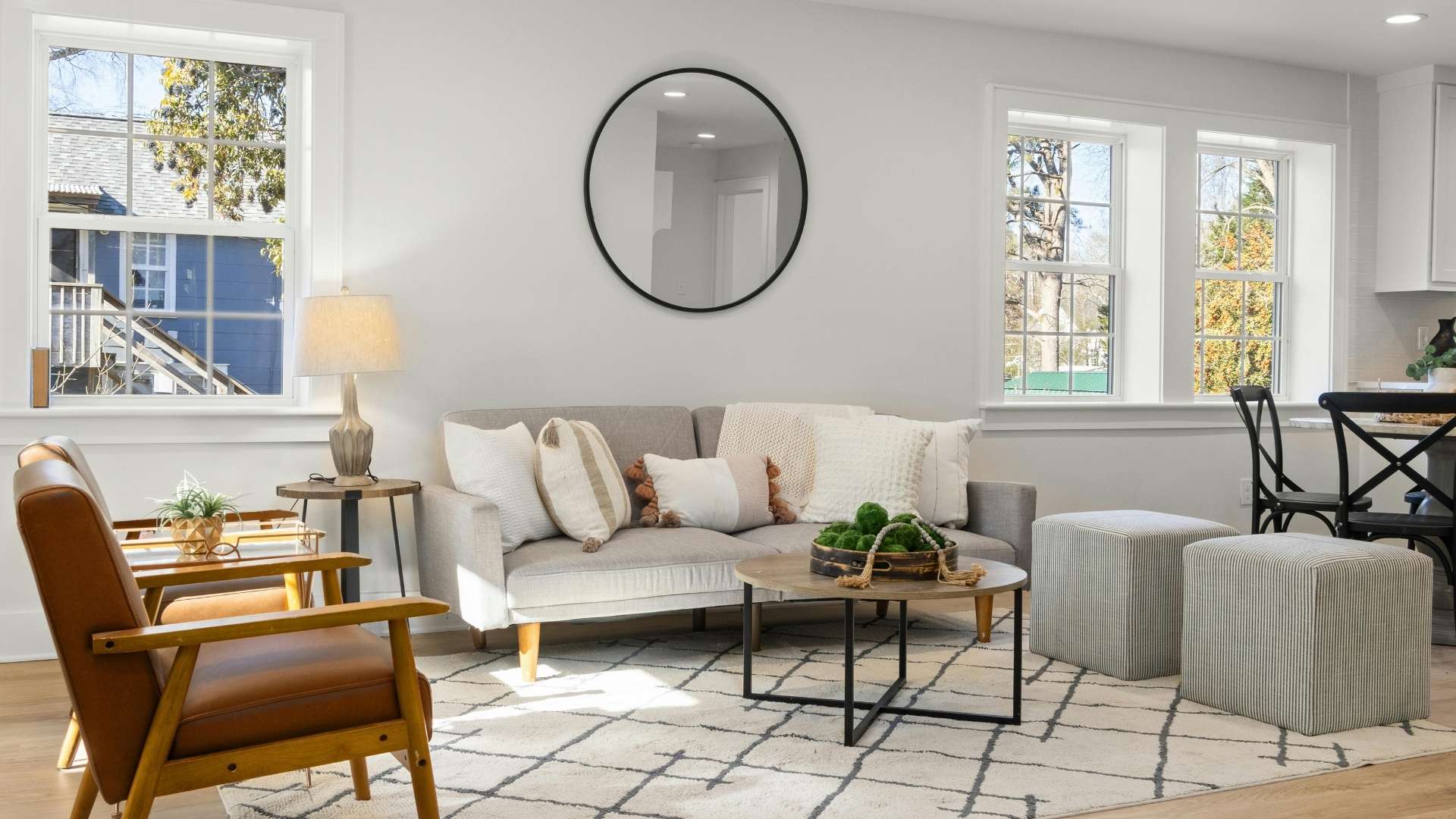
For example, a corridor might become a gallery of light and material, not just a passageway. A living room can subtly shift from social hub to calm retreat depending on daylight and furniture placement. These intentional flows make every space feel purposeful and intuitive, much more than rooms with furniture plunked into corners.
Material and Light As Architectural Elements
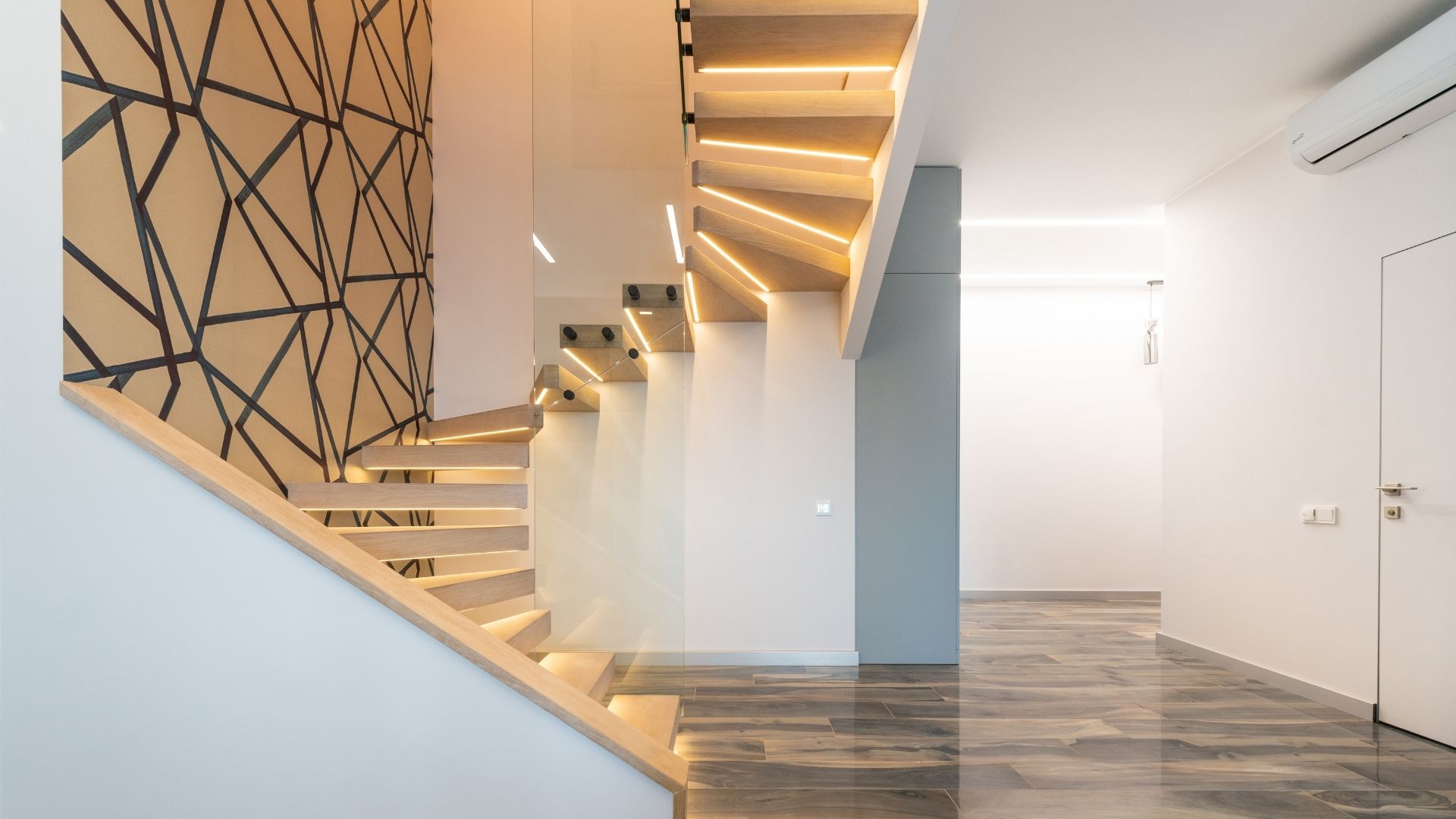
In interior architecture, materials aren’t decorative afterthoughts, they become spatial tools. Surfaces, textures, and finishes influence not just look, but acoustics, light quality, and tactile experience. Concrete floors, timber ceilings, matte plaster walls, and glass partitions are chosen not only for beauty but for how they:
-
Reflect or absorb light
-
Influence room acoustics
-
Create visual continuity
-
Define or soften transitions between spaces
Contemporary architects and interior architects are intentionally layering these materials to sculpt both form and mood.
Light: The Invisible Architectural Force
Light is one of the most powerful elements in interior architecture. Daylight and artificial light don’t just illuminate, they activate spaces. Strategic placement of windows, skylights, and openings can dramatically shift how interiors feel depending on season, time of day, or activity.
In contemporary architecture, light is part of the spatial structure. Walls and ceilings are designed to capture light and guide it through rooms, creating patterns of shadow and brightness that evolve throughout the day. This dynamic interaction between light and space adds a level of sophistication and experiential quality that is unique to interior architecture.
Space That Responds To You
Interior architecture is not a trend, it’s a design philosophy that acknowledges how we live, work, and feel in spaces. It blends beauty with logic, sensation with structure, and human behaviour with design intent. Contemporary interiors are no longer static backdrops; they are adaptive, intuitive environments that respond to their inhabitants.
For architects and designers, thinking architecturally about interiors elevates every project. It’s about more than choosing colours or furniture, it’s about shaping environments that resonate with life.